Breast Augmentation Recovery in Edmonton: A Week-by-Week Timeline
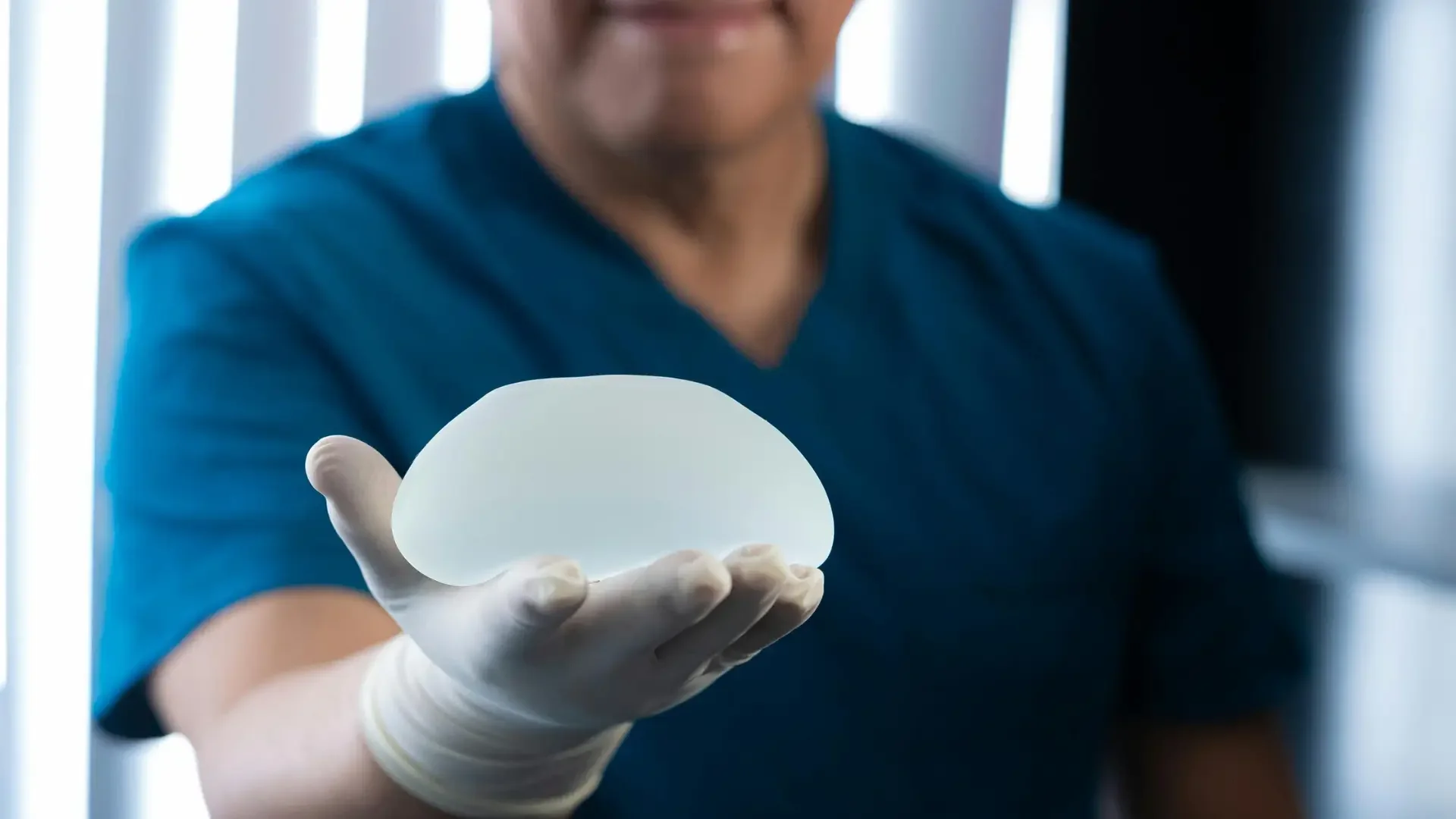
TL;DR: Breast augmentation recovery in Edmonton generally follows a six-week timeline for returning to normal activities. Most patients can return to desk work within 7 to 10 days, resume light daily activities around 2 weeks, and return to unrestricted exercise at about 6 weeks. The first week is usually the most challenging, with swelling often peaking around days 2 to 3 while wearing a surgical bra continuously. Comfort typically improves significantly during the second week. While you’ll look much better by the 6-week mark, the implants continue to settle into their final position over the following months. Most patients experience the full drop and fluff effect between 3 and 6 months after surgery. Always follow your surgeon’s specific post-operative instructions, as individual healing can vary.
Recovering from breast augmentation is manageable, but it requires planning. Understanding the general timeline before surgery helps Edmonton patients set realistic expectations, arrange the right support, and avoid setbacks.
Here’s a breakdown of what recovery looks like week by week, so you know what's coming.
What Does Breast Augmentation Recovery Look Like Week by Week and When Can I Return to Work?
Breast augmentation recovery in Edmonton typically follows a six-week arc, with most patients returning to desk-based work within 7-10 days, light daily activities at 2 weeks, and unrestricted exercise at 6 weeks. Below is the week-by-week timeline most surgeons in Edmonton, AB, use as a general framework. Every patient heals differently, so your surgeon's post-operative instructions take priority over any general guide.
Week 1: Rest, Dressings, and Pain Management
The first week is the most physically demanding. Expect:
Swelling and tightness across the chest, which is normal and peaks around days 2-3
Surgical dressings in place over the incision sites; do not remove these without instruction
A surgical bra is worn continuously for support and to reduce movement
Prescription pain management for the first few days, transitioning to over-the-counter options as comfort improves
Week 2: Easing Back into Light Activity
By the start of week two, most patients feel meaningfully more comfortable.
Desk work is generally possible at the 7-10-day mark, provided the role doesn't require lifting or physical strain
Driving can typically resume once you're off prescription pain medication and can react normally, usually around day 7-10
Light social activity is fine; just avoid situations with physical contact or crowded environments where you might get bumped
Weeks 3-4: Expanding Your Activity Window
Energy levels improve noticeably in this window. Most patients feel close to normal in daily life, but the internal healing is still ongoing. You can typically begin:
Gentle, flat-surface walking for longer periods
Light household tasks (no heavy lifting)
Returning to work in most non-physical roles, if not already back
Weeks 5-6: Returning to Exercise
This is where the recovery arc completes for most patients.
Light cardio (walking at a pace, stationary cycling) is generally approved around week 5
Chest exercises remain restricted until your surgeon clears them, typically at the 6-week mark
Unrestricted exercise resumes at 6 weeks for most patients, subject to the surgeon’s sign-off
Do not self-authorize a return to exercise. A 6-week post-op appointment is standard.
What is the General Timeline for Returning to Work?
Work timelines depend entirely on what your job requires:
| Role Type | Estimated Return |
|---|---|
| Desk/sedentary work | 7-10 days |
| Light standing/retail | 2-3 weeks |
| Physical labour/lifting | 4-6 weeks minimum |
| Strenuous physical work | Surgeon approval required |
Frequently Asked Questions
How much does breast augmentation cost in Edmonton?
Breast augmentation in Edmonton is paid for privately and is not covered by Alberta Health, so costs range from patient to patient. Pricing depends on the implant type selected, the surgical technique, facility and anesthesia fees, and the surgeon’s training and experience. Financing is available through medical lenders, and a personalized quote is provided at your consultation.
How long do breast implants last?
Most modern silicone implants last approximately 10 to 20 years, while saline implants typically last about 10 to 15 years. The exact timeline can vary depending on factors such as implant type, individual anatomy, and lifestyle. Implants do not require routine replacement at the 10-year mark unless a problem develops, such as rupture or capsular contracture. Any concerns or issues should be assessed by a board-certified plastic surgeon.
What is the difference between silicone and saline breast implants?
Silicone implants typically look and feel closer to natural breast tissue. Saline implants are filled with sterile saltwater and deflate visibly if they rupture, whereas a silicone rupture can be silent and is monitored with imaging.
Ask About Breast Augmentation in Edmonton at Joshua DeSerres Plastic Surgery
If you’re considering breast augmentation in Edmonton and desire a personalized timeline tailored to your specific goals and health history, the most vital first step is a professional consultation. We encourage you to learn more about our augmentation, mastopexy, and combined procedures. To book your appointment and discuss your options in detail, please contact us online or call our office at (780) 483-6400.